The best outdoor activity for you is the one you'll do again next week. That rules out almost nobody, because "outdoor activity" stretches from a ten-minute loop of the block to a Saturday on a hill, and a good chunk of it costs nothing at all.
What follows is a menu, not a workout plan. You'll find options sorted by how much they ask of your body and your wallet, an honest look at the evidence for why moving outside tends to lift your mood, and a short method for picking one thing and keeping it going after the novelty fades.
What moving outside does for you
Two separate things happen when you exercise outdoors, and it helps to keep them apart. One is the movement. The other is the being-outside part. They stack, but the evidence behind them is not equally strong.
The movement is the sturdier half. The CDC recommends adults do 150 minutes of moderate activity a week, or 75 minutes of vigorous, plus muscle-strengthening on two days, and it says plainly that you can break that up into smaller chunks across the week. Its other line matters more for anyone starting from zero: "some physical activity is better than none." The World Health Organization puts it the same way, that any amount is better than none and walking and cycling count as the real thing.
The outdoor part is where the research gets warmer but looser. A 2021 systematic review pooled 50 studies of nature-based activities and, looking only at the randomised trials, found a large effect on low mood, with a standardised mean difference of −0.64, and a similar effect on anxiety. The same review found much weaker evidence that these activities changed physical markers like blood pressure, and it flagged that the risk of bias in many of the studies was moderate to high. The sessions that helped most ran for 20 to 90 minutes over 8 to 12 weeks.
A 2025 meta-analysis narrowed the question to green exercise in towns and cities. Across 15 randomised trials and 980 adults, it reported a moderate, significant improvement in mental health, with a standardised mean difference of −0.40, and found that shorter, gentler sessions did more than long hard ones, with women seeing the larger benefit. The authors were careful to note that most trials were short, rarely following people beyond three months.
Here's the fair summary. Moving is good for your body wherever you do it. Doing it outdoors appears to add a lift to your mood on top, though the studies are short and mostly show a link, not proof. A walk by the river won't cure anything, but for a lot of people it reliably improves the next few hours.
If you're coming back to activity after a long gap, or you live with a heart or joint condition, have a quick word with your GP before you push the pace. The gentle end of this menu is safe for almost everyone.
A menu to pick from
Pick by what your week and your body can take, not by what sounds impressive. Every option below tells you roughly what it costs and who it suits.
Walking, in all its forms
Free. Any fitness level.
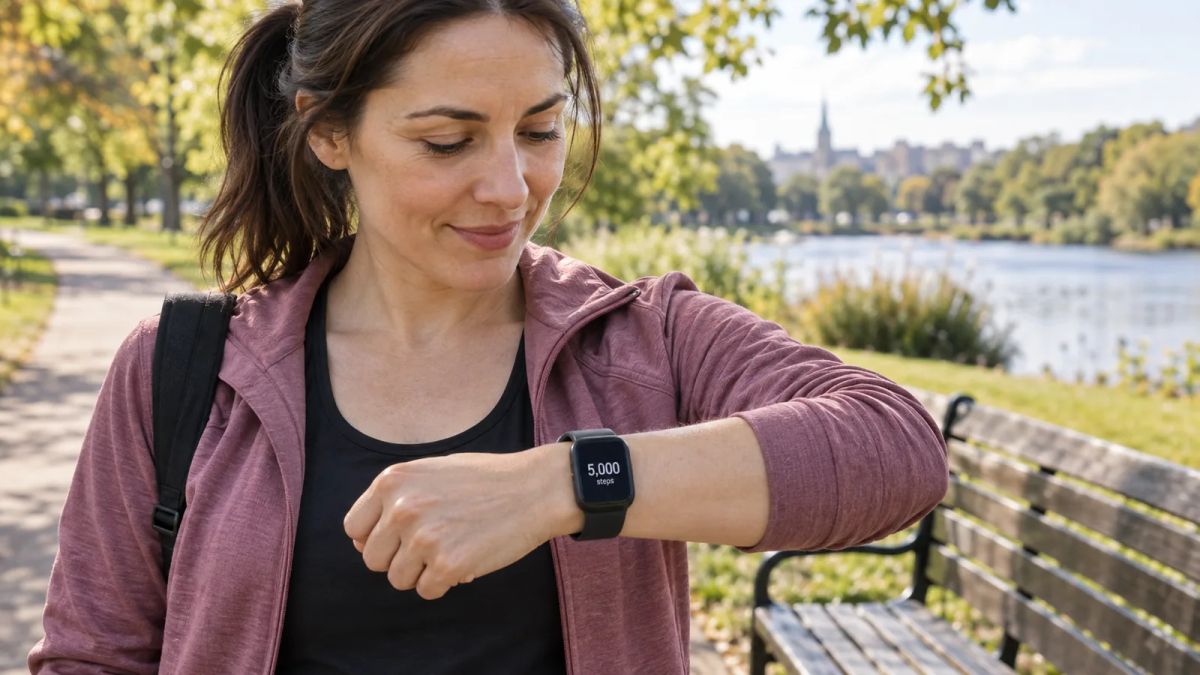
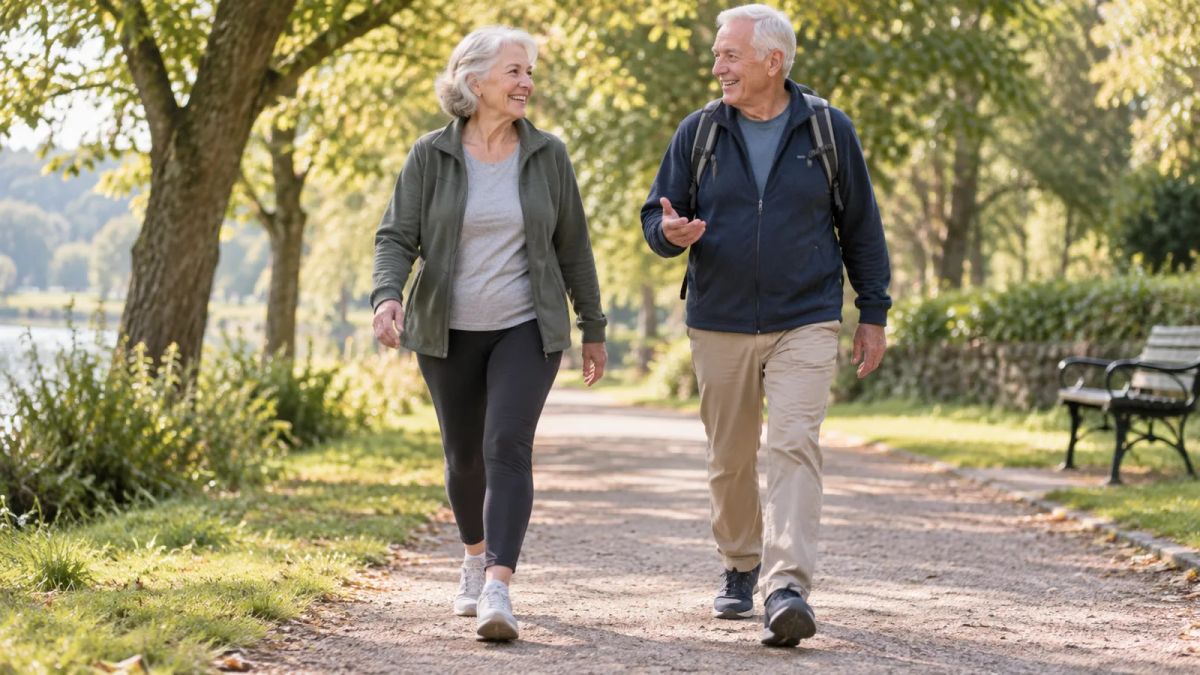
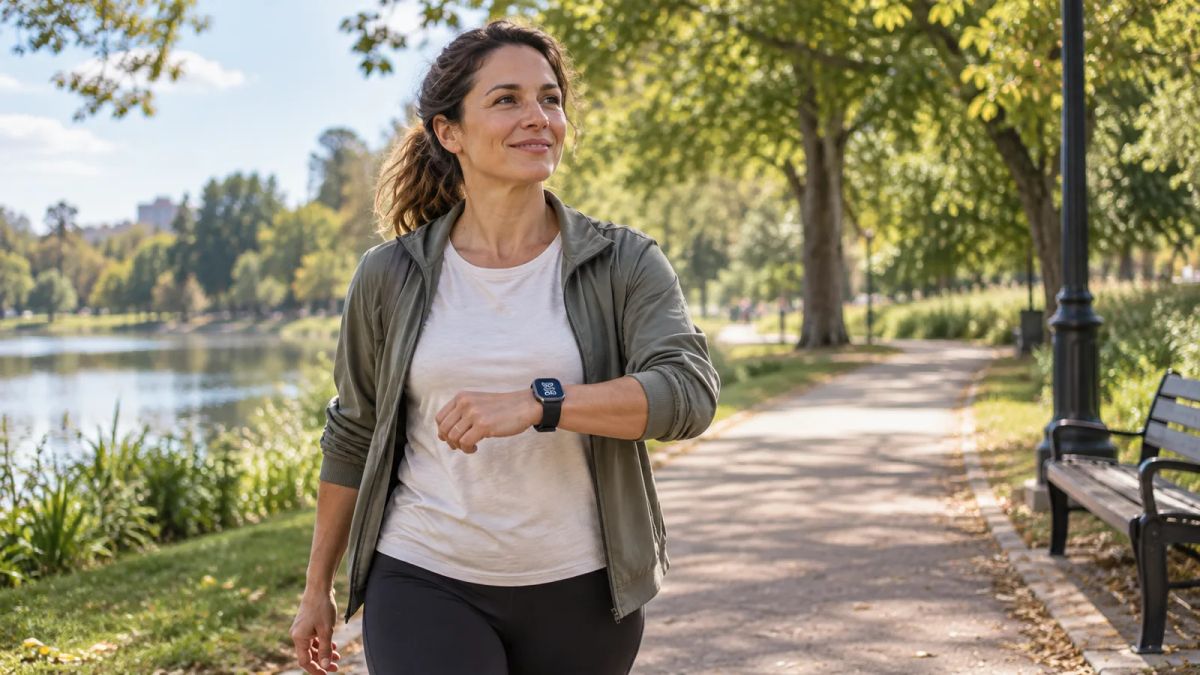
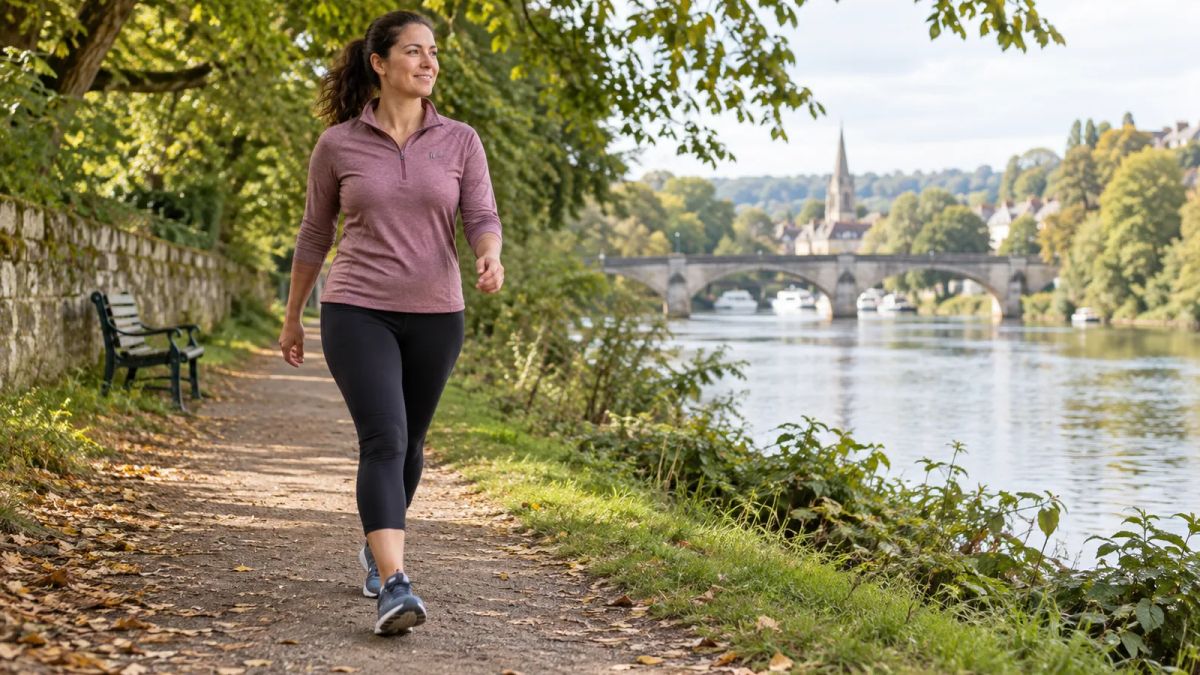
Walking is the cheapest, most forgiving activity there is, and it scales in every direction. The NHS defines a brisk walk as one where you can still talk but not sing, which is all the guidance most people need on pace. Start with the loop that fits your day and lengthen it when it feels easy.
When flat walking stops challenging you, add a hill, a rucksack, or a faster stretch in the middle. Our guide to the benefits of walking makes the fuller case, and if you want structure there are named styles worth borrowing, from interval-based Japanese walking to the mood-first hot girl walk.
A park bench and your own bodyweight
Free. Scalable to any level.
A bench turns any park into a gym. Press-ups with your hands on the seat, step-ups onto it, split squats behind it, a plank on the grass, and a lap of the field between rounds. Do fewer reps if you're new and more as you get stronger. The only cost is the ten minutes it takes.
Gardening
Little to no cost. Gentle to moderate.
Digging, lifting compost, hauling a watering can and pushing a mower are all real movement, and they count. A 2025 review of 23 gardening studies covering 4,535 people found the clearest gains were for mental health, especially once the weaker studies were set aside, with only a small effect on physical health. The heterogeneity was high, so treat it as encouraging but not settled. If you have an allotment or even a few pots, the movement is built into a thing you'd do anyway.
Cycling
One-off cost for a bike. Low impact on the joints.
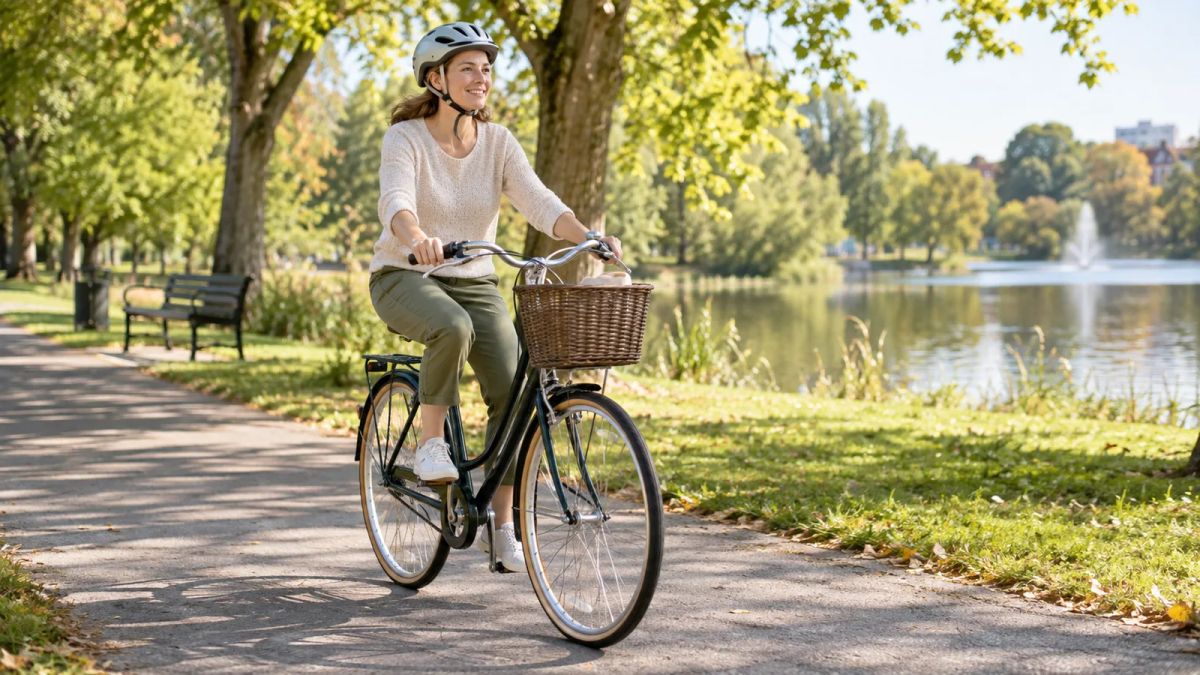
Cycling gives you distance and a decent cardio hit while going easy on knees and hips, which makes it a good pick if running hurts. A second-hand bike and a helmet is the whole outlay. The neat trick is folding it into travel you already do, so a ride to the shops or the station turns dead time into activity.
Hiking
Low cost. Beginner to advanced.
Hiking is walking with a view and a bit more effort, and its intensity is entirely down to the route you choose. Begin on a flat, waymarked trail of an hour or two, carry water and a decent pair of shoes, and build to hillier ground as your legs adapt. You don't need technical kit to start, and a local country park counts every bit as much as a mountain.
Wild and outdoor swimming
Low cost, with real caution.
Outdoor swimming has a devoted following, and a survey of 722 swimmers found mental wellbeing was the benefit they rated most highly, with many reporting a drop in low mood and anxiety. Read that with your eyes open: it's self-reported, the people surveyed were already keen swimmers, it can't show cause, and the relief tended to last from a few hours to a couple of days.
The bigger issue is safety, not scepticism. Sudden cold water triggers a reflex gasp and a jump in heart rate, a reaction that eases only after a few short, repeated dips, so go in slowly, never swim alone, know where you can get out, and stay well within your limits. If you have a heart condition, ask your GP before you try it.
Something with other people
Varies, from free upward.
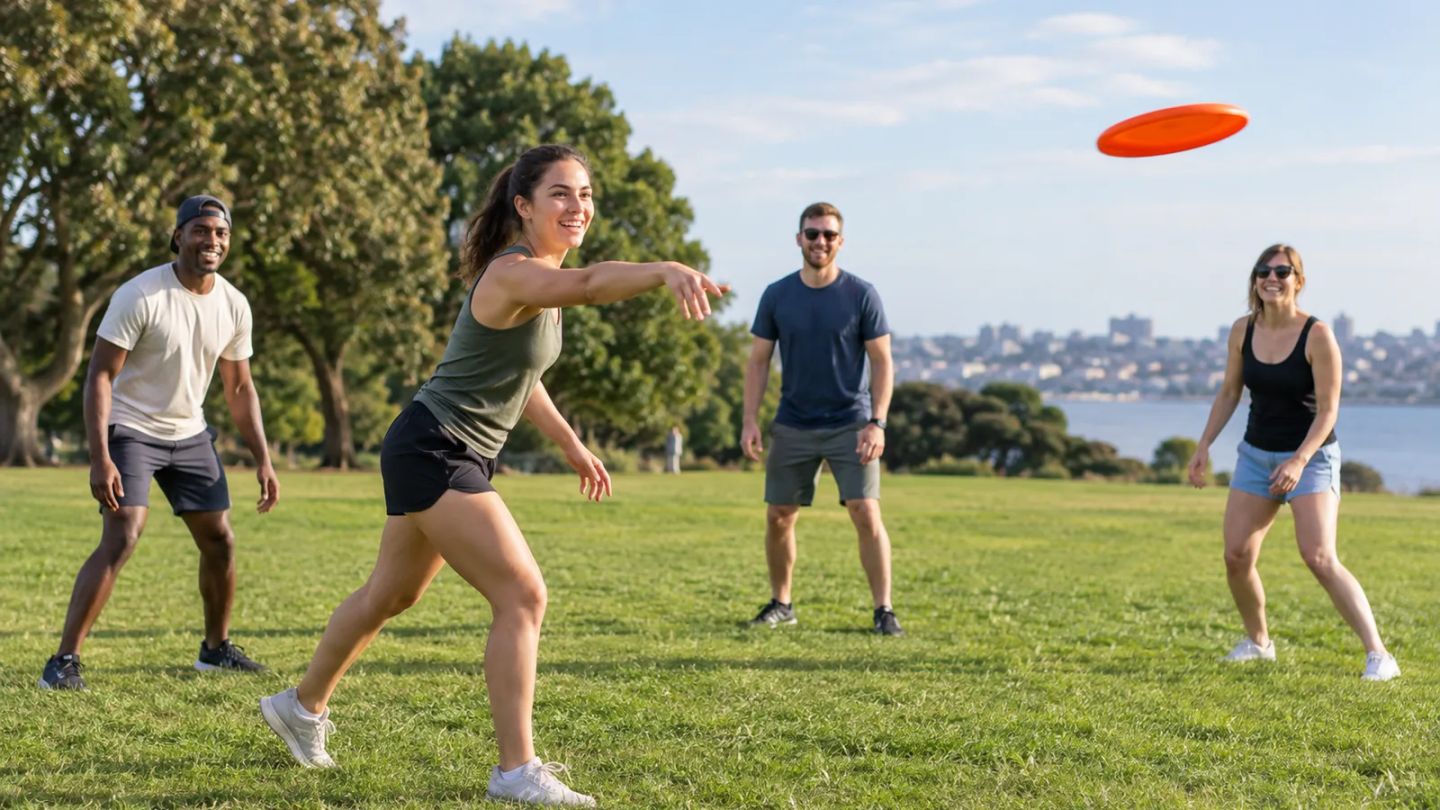
If motivation is your weak point, borrow other people's. A free weekly parkrun gives you a timed, sociable 5k with no pressure to be fast. A five-a-side game, a tennis session or a paddle in a hired kayak all add the accountability of a fixed time and a group who'll notice if you don't show. The social pull often outlasts the willpower that got you started.
More ways to move outside
A longer list to scan, from gentle to sweaty and from solo to sociable. Pick one that sounds like you and ignore the rest.
- Nordic walking. Walking with poles that brings your arms and upper body in. It is gentle on the knees and easy to learn in a group.
- Running or a couch-to-5k. Start with walk-run intervals and build up. The free NHS Couch to 5K plan eases complete beginners in over nine weeks.
- Racket sports. Tennis, and the newer padel and pickleball, are stop-start, sociable and forgiving for beginners at local courts.
- Table tennis or bowls. Low-impact, sociable, and often free in parks or through a local club, which suits gentler days.
- Kayaking, canoeing or paddleboarding. Calm water on a warm day, usually hireable by the hour with a taster session first.
- Bouldering or climbing. Problem-solving as much as strength, on outdoor rock in summer or an outdoor wall the rest of the year.
- Golf or pitch-and-putt. A full round is several miles of walking once you skip the buggy, at a pace that still lets you talk.
- Skating, scooting or cycling an errand. Rollerblading, skateboarding and scooting all count, and swapping one short car trip for a bike does too.
- Foraging, birdwatching or a nature walk. Slow and absorbing, and as much for your head as your legs.
- Geocaching or orienteering. A treasure hunt that turns a walk into a game, and a good one with children.
- Outdoor yoga or tai chi. Many parks run free sessions over summer. Take a mat and some water.
- Conservation volunteering. A green gym through a local trust mixes digging, planting and clearing with company and purpose.
- Fishing. Quiet, patient time outdoors, if a slower pace is what you are after.
- A coastal or riverside walk. Rockpooling, beachcombing or a flat promenade stroll if you live near water.
How to pick one, and keep it
Choose the option with the least friction, not the one with the best reputation. If you'll dodge a 6am run but happily walk after dinner, the walk is the better activity for you, whatever a fitness influencer says.
Then give it a cue, because a good intention that floats free of your day tends to drift off. James Clear calls this habit stacking, and the formula is simple to write down: "After [current habit], I will [new habit]." Your existing routine does the remembering, which is the part willpower is worst at.
Use the planner below. There's a blank version to fill in and a worked example under it.
My outdoor activity: ____________________
After I ____________________ (something I do most days), I will ____________________ (a small version of the activity).
Smaller version for hard days: ____________________
Here's one filled in:
My outdoor activity: An after-work walk.
After I shut my laptop, I will put my shoes on and walk to the end of the road and back.
Smaller version for hard days: Step outside the front door for two minutes of fresh air.
If you'd rather browse a menu, tick two or three of these to start with, no more:
- ☐ A ten-minute walk after lunch or dinner
- ☐ A park-bench circuit twice a week
- ☐ Twenty minutes in the garden at the weekend
- ☐ Cycle one leg of a regular journey
- ☐ A short local trail on a free morning
- ☐ A weekly parkrun or five-a-side
- ☐ A supervised outdoor swim in warmer weather
Two decisions are worth making before you start. The first is that smaller version, for the evenings the full plan won't happen, because a shrunk version done beats a full version skipped. The second is your restart. None of this is a streak you can ruin. Miss a day, or a fortnight of rain, and a single walk picks it straight back up. For more on choosing habits that survive a busy week, our guide to building healthy habits goes deeper, and how to build an active lifestyle shows how to weave this movement through an ordinary day.
Somewhere for the outdoor habit to live
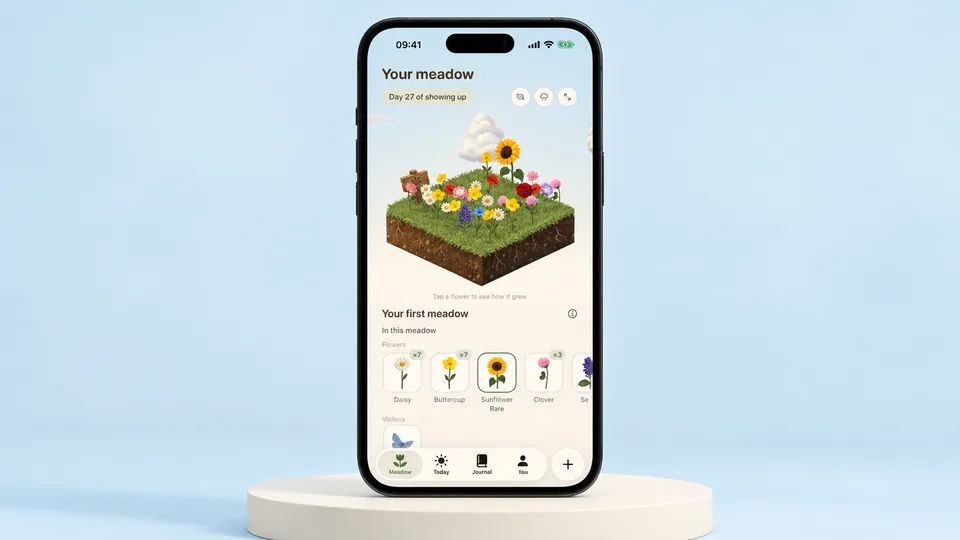
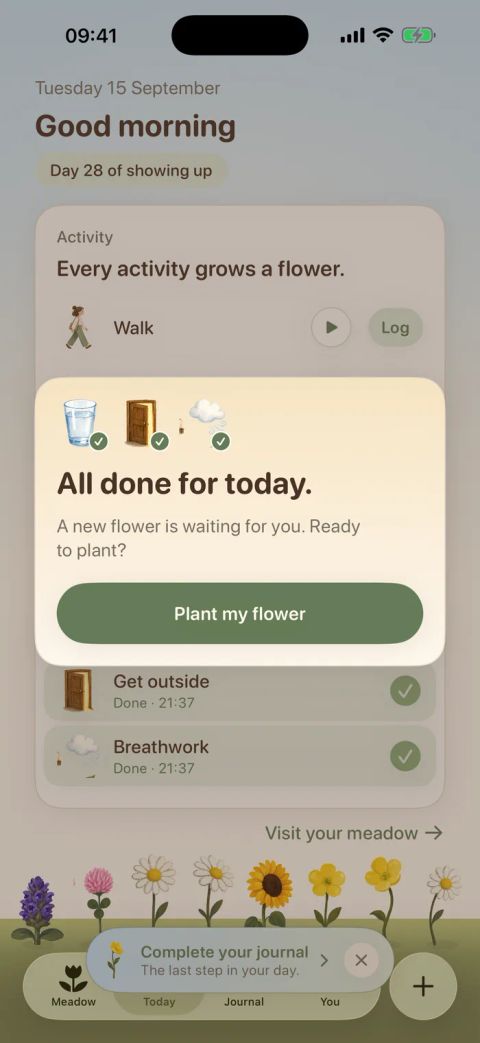
When getting outside is the goal, Meadow gives it a home on your phone. It's a movement and habit app for iPhone from Wildcard Wellness, where you log the walk, ride or swim you've done with a timer, tick off small daily habits like getting outside, and note your mood and energy. Each day you show up grows a wildflower in a meadow that's yours alone, and because it rewards turning up over a perfect week, there are no streaks, so a rained-off day resets nothing.
Frequently asked questions
Which outdoor activity is best for beginners?
Walking, for almost everyone. It needs no kit, no skill and no booking, the pace is entirely yours, and you can grow it into hiking or brisk interval walking once your fitness climbs. A park-bench circuit and gentle gardening are close behind.
What can I do outdoors with no money?
Plenty. Walking, running, bodyweight workouts in a park, gardening and a weekly parkrun are all free. The activities with a cost, like cycling or kayaking, are usually a one-off outlay or a small hire fee, not an ongoing bill.
Does being outside improve mood, or is it only the exercise?
Both seem to contribute. The movement itself helps regardless of where you do it, and reviews of green exercise suggest that doing it in a natural setting adds a further lift to mood. The outdoor effect is real in the studies but modest and short in duration, so treat it as a bonus rather than the whole point.
What outdoor activities are good if I'm not fit?
Start with short, low-impact options: a slow walk you gradually speed up, gentle gardening, or cycling, which spares the joints. Keep the first sessions easy enough that you finish wanting a little more, and build from there. Check with your GP first if you have a health condition or haven't moved much in a while.
How do I keep going once the weather turns?
Lower the bar and keep the cue. Swap the long walk for a short one, keep the right coat by the door, and tell yourself two minutes outside counts on the worst days. Treat missed days as neutral and restart at the next chance rather than writing off the week.
One thing to do now
Pick one activity from the menu and one cue you already keep, then write the single line: "After I ______, I will ______." Make it something you can't forget and can't fail, like walking to the end of the road after you finish work. One small outdoor thing, tied to a moment that already exists in your day, is where all of this starts.
AUTHOR
Co-founder of Meadow.
Ash is co-founder of Meadow, a habit and movement tracking app that turns small acts of self-care into a growing wildflower meadow.
Every little bit counts
Five minutes counts. So does a dance in the kitchen.
Log the movement you enjoy and the small habits that help you feel good, and watch them bloom into something you can see.
Download Meadow